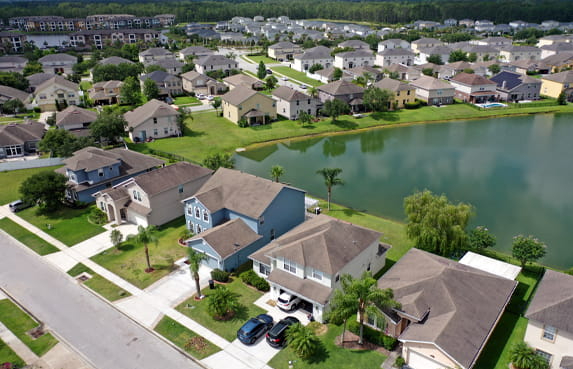

If you’ve been thinking about buying a home in Florida, there’s a major opportunity on the horizon - and a firm deadline you’ll want to know about. Florida is preparing to vote on a constitutional amendment that would increase the state’s homestead tax exemption to $250,000, potentially saving homeowners thousands of dollars over time.
But here’s the part most people don’t know:
To receive the full benefit as soon as it becomes available, you must establish Florida residency by December 31, 2026.
Team Tina at TMFFMS is breaking down what this means, why it matters, and how to make sure you don’t miss out.
Florida voters will decide this November whether to increase the homestead exemption — the portion of your home’s value that is *not* taxed — in two steps:
This would be one of the largest property‑tax benefits Florida has ever offered.
If you establish Florida residency on or before December 31, 2026, you’ll qualify for the full exemption as soon as it takes effect.
If you move after that date, you’ll be placed into a five‑year phase‑in, starting with only a $50,000 exemption.
For many families - especially those relocating from higher‑tax states - that difference adds up quickly.
Buying a home is just the first step. To officially establish Florida residency, you’ll need to:
Because finding a home, getting approved, and closing typically takes 60–90 days, the timeline is already tighter than it seems.
Even if Florida won’t be your primary residence, you may still benefit.
The amendment also lowers the annual assessment cap on non‑homestead properties — including second homes, rentals, and investment properties — from 10% to 5% starting in 2027.
That means more predictable property taxes for investors and seasonal residents.
Florida already offers:
This new exemption could make the financial case even stronger — especially for buyers coming from states like New York, New Jersey, Connecticut, Illinois, and Massachusetts.
Team Tina at TMFFMS is already seeing more buyers move up their timelines to make sure they qualify before the deadline.
1. What is Florida’s new $250,000 homestead exemption?
It’s a proposed increase to the amount of your home’s value that is exempt from property taxes. If approved, the exemption rises to $150,000 in 2027 and $250,000 in 2028, with annual inflation adjustments.
2. When is the deadline to qualify for the full exemption?
You must establish Florida residency by December 31, 2026 to receive the full exemption immediately once it takes effect.
3. What counts as establishing Florida residency?
You must:
4. What happens if I move to Florida after the deadline?
You’ll enter a five‑year phase‑in period, starting with only a $50,000 exemption instead of the full amount.
5. Do second‑home or investment property owners benefit too?
Yes. The amendment lowers the annual assessment cap on non‑homestead properties from 10% to 5% starting in 2027.
6. Does buying a home automatically qualify me for the exemption?
No. You must complete the residency steps and file for the exemption with your county.
7. How long does the homebuying and closing process take?
Most buyers need 60–90 days from home search to closing — which means planning ahead is essential to meet the 2026 deadline.
8. Can Team Tina at TMFFMS help me understand my timeline?
Absolutely. Team Tina helps buyers across Florida and Alabama navigate financing, timelines, and residency requirements to make sure you’re positioned to maximize your benefits.
Whether you’re relocating, buying your first home, or investing in a second property, Team Tina at The Mortgage Firm is here to help you navigate:
Our goal is simple: make your move smooth, informed, and financially smart.
Let’s talk through your timeline, your goals, and what this new exemption could mean for you.
We hope this article was of value to you. For more great tips, bookmark our site and for all your mortgage needs, visit Team Tina at TMFFMS.

Always dedicated to you.